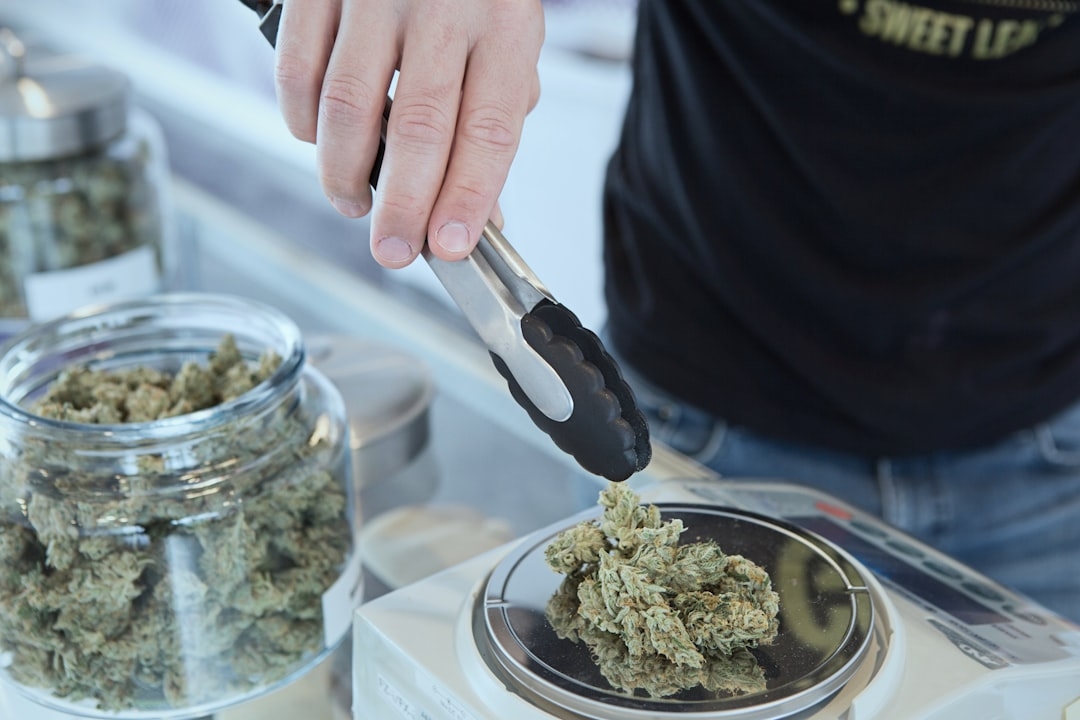
In San Jose, the regulatory framework surrounding cannabis sales is strict and layered. Here's the deal: dispensaries have to follow local and state laws, which can get pretty complex. For starters, San Jose requires dispensaries to obtain both a local and a California state license to operate legally. It's not just about setting up shop and selling products. Dispensaries need to ensure they're compliant with zoning laws, which dictate where they can be located. They can't just pop up anywhere; there are specific zones where cannabis sales are permitted.
Key Compliance Requirements:
Then there's the matter of security. Dispensaries have to implement detailed security measures, including surveillance systems and secure storage solutions for their products. This isn't just for show. It’s to prevent theft and ensure customer safety. Without these, a dispensary could face hefty fines or even be shut down. Additionally, dispensaries must adhere to strict packaging and labeling requirements to ensure that consumers know exactly what they're buying. This includes information on THC content and any potential allergens.
Failure to comply with these regulations can lead to severe consequences. We're talking about fines, suspension of licenses, or, in the worst-case scenario, permanent closure. It's crucial for dispensary owners to keep up with any changes in the law, as cannabis regulations are known to evolve. The impact of these regulations on operations is significant. They affect everything from how inventory is managed to how customer interactions are handled. Visit a San Jose dispensary today. So, if you're in the cannabis business in San Jose, staying informed and compliant isn't just a good idea—it's necessary for survival.
Having a well-trained staff in a cannabis dispensary is crucial. Customers come in with all sorts of questions and expectations. They want to know what they're buying, how it works, and what effects to expect. Staff need to be ready to provide answers that are both accurate and responsible. This means understanding the products inside and out. Not just the strains, but also the cannabinoids and terpenes that make each product unique. It's not just about selling; it's about educating customers so they can make informed decisions. And in San Jose, where laws are strict, it's even more important to ensure compliance with local regulations.
Key Points of Staff Training:
Training should focus on more than just product knowledge. Staff need to know how to handle sensitive situations. Like when a medical cannabis patient needs advice on dosage or when a recreational user is trying cannabis for the first time. A well-trained team can guide them safely and legally through their options. Without proper training, there's a risk of misinformation. And that can lead to unhappy customers or even legal issues. Staff should also be trained to recognize when a customer might be over-consuming or using products inappropriately. It's about creating a safe and responsible environment for everyone. So, investing in staff training isn't just a good idea—it's essential for any dispensary aiming to provide top-notch service while staying compliant with local laws. It's a step that ensures the business runs smoothly and customers leave satisfied and informed.
Offering a wide range of cannabis products is crucial for meeting diverse consumer needs. Different customers have different preferences, whether it’s flower, edibles, tinctures, or concentrates. A broad selection ensures that both recreational users and medical patients find what they need. Stocking popular strains alongside lesser-known ones can attract both seasoned users and curious newcomers. Without variety, consumers might seek other dispensaries that better cater to their tastes and requirements.
Ensuring the quality of cannabis products should be a top priority for dispensaries. High-quality products build trust with customers and encourage repeat business. Regularly testing for potency and contaminants such as pesticides or mold is essential. Customers expect transparency about what they're consuming, and providing lab results can satisfy this need. Ignoring quality can lead to dissatisfied customers and potential legal issues if products do not meet state regulations.
Building strong relationships with reliable suppliers is key to maintaining a consistent product range. Good suppliers provide high-quality, compliant products and can offer insights into industry trends. Establishing trust with suppliers can also lead to better pricing and exclusive strains. Poor supplier relationships can result in stock shortages or inconsistent product quality, negatively impacting customer experience and sales.
Educating consumers about different cannabis products helps them make informed choices. Staff should be knowledgeable about strain effects, product types, and consumption methods. This guidance is particularly important for new users or medical patients seeking specific therapeutic effects. Without proper education, customers may feel overwhelmed or misinformed, leading to a less satisfactory experience and potentially unsafe consumption practices.
Implementing a system for customer feedback is vital for continuously improving the dispensary experience. Feedback helps identify which products are popular and where there are gaps in the product range. Listening to customers can also reveal service issues that need addressing. Ignoring feedback can result in missed opportunities for improvement and may lead to losing customers to more responsive competitors.
Facts About Product Selection and Sourcing:
To make your cannabis dispensary a place where people want to shop, pay attention to the layout and service. Start with the store design. A well-thought-out layout can guide the customer journey and make the shopping experience smooth. Think about how you arrange your products. Keep popular items easy to find, but don't clutter the space. A clean and organized store helps customers feel more comfortable.
Don't forget about technology. Digital menus and self-service kiosks can speed up the process. But don't rely on them entirely. Human interaction is key, especially in a market where personal guidance can be crucial.
Then, there's the importance of personalized service. Train your staff to be knowledgeable. They should know your products inside and out. Customers often have questions, whether they're seasoned users or first-timers. Staff should be ready to answer questions about potency, effects, and safe usage.
Creating a welcoming atmosphere can make a big difference. Music, lighting, and even the scent in the store can impact how customers feel. Aim for a relaxed vibe, not too clinical, but also not overwhelming. You want people to feel at ease but focused on making informed choices.
Neglecting these elements can lead to a chaotic environment, leaving customers confused or frustrated. And in a place like San Jose, where competition is fierce, you can't afford to lose customers over basic things like layout or service. So, focus on these areas, and you'll likely see happier customers and better business.

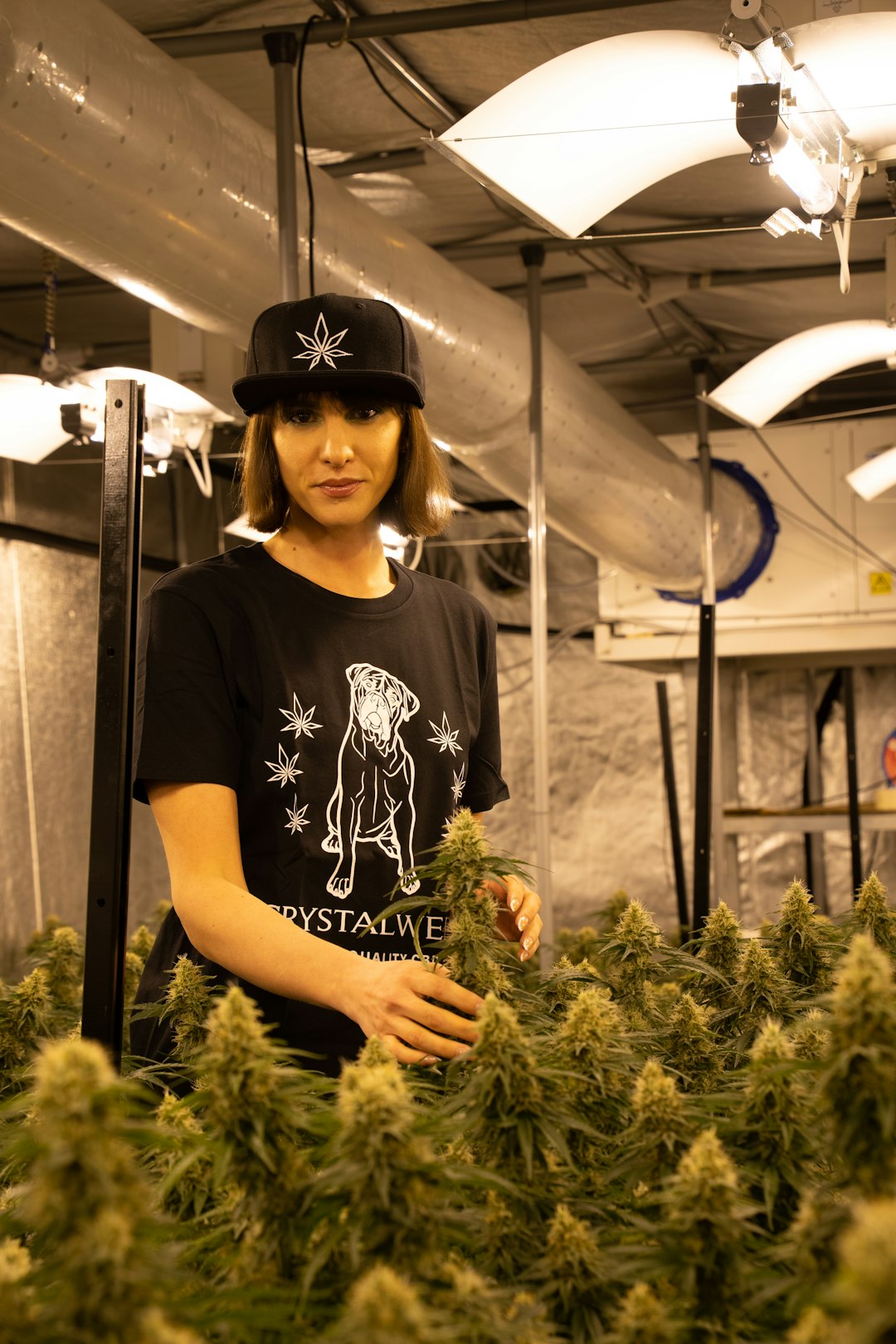
Keeping the right amount of cannabis products on your shelves is like walking a tightrope. You want enough stock to meet customer demand, but not so much that products sit and get stale. Freshness is key—cannabis loses its potency and quality over time, so it's important to keep things moving. Regularly reviewing sales data helps predict which products are flying off the shelves and which are gathering dust. This isn't just about guessing—it's about looking at trends and making informed decisions.
One common mistake is over-ordering new products without knowing if they’ll sell. It might seem smart to have a wide variety, but if those products aren’t popular, you're stuck with stock that’s losing value. Instead, start small with new items, gauge customer interest, and then adjust your orders. Another tip? Rotate your stock. First in, first out. This ensures older products are sold first, keeping everything fresh for your customers.
Waste is a big concern too. Unsold products can’t just be thrown out or given away due to strict regulations. They need to be disposed of properly, which adds to costs. By keeping a close eye on inventory, dispensaries can minimize this waste. If you're not careful, you could end up losing money on products that were never sold.
In San Jose, where regulations are tight, staying compliant with inventory management isn’t just good practice—it’s essential. Regular audits and accurate record-keeping are crucial to avoid any legal hiccups. So, keep it fresh, keep it legal, and keep your customers happy.
In a cannabis dispensary, security is a big deal. It's not just about keeping the products safe; it's about making sure customers and staff feel secure. First off, there’s the need for surveillance cameras.
Next, think about access control. Not everyone should be able to wander into every part of the dispensary. You need secure, restricted areas where only authorized staff can go. This is where keycards or biometric systems come in handy. They keep things tight and prevent unnecessary access to sensitive areas.
And then, there's the importance of having a trained security team. They’re not just there to stand around. They need to know how to handle situations calmly and efficiently. Whether it's dealing with a rowdy customer or ensuring compliance with local regulations, they need to be on top of their game.
Security Essentials:
Common mistakes? Some dispensaries skimp on security, thinking cameras alone will do the trick. But it's a layered approach that works best. If you don’t get it right, you risk theft, legal issues, and even putting people in danger. So, it's vital to take these protocols seriously. It’s not just a box to tick—it’s about creating a safe environment where people can shop and work without worry. That’s the goal.
Building brand awareness and establishing trust in the community is crucial for any cannabis dispensary, especially in places like San Jose where the market is competitive. Start by getting involved in local events. Sponsoring community activities or participating in local fairs can put your name out there and show you care about the community. People notice when you're not just about selling products but are genuinely involved.
Education is another key. Host workshops or informational sessions about cannabis use, safety, and the different strains available. This can demystify cannabis for new consumers and provide valuable insights for seasoned users. Plus, it positions your dispensary as a knowledgeable and reliable source.
Social media is your friend. Use it wisely. Share stories, customer testimonials, and educational content. But remember, engagement is a two-way street. Respond to comments and messages promptly. Show that there's a human behind the account who cares about customer experience.
A loyalty program can also work wonders. Reward regular customers with discounts or exclusive offers. It not only encourages repeat business but also makes customers feel appreciated and valued.
Finally, transparency is non-negotiable. Be upfront about your products, sourcing, and pricing. If something's out of stock or if there's a delay, communicate it clearly. Trust is built over time, but it can be lost quickly if customers feel misled or ignored.
Avoid trying to do everything at once. Focus on what feels genuine for your brand and your community. It’s about creating a relationship, not just a transaction.
Implementing health and safety regulations in cannabis dispensaries is crucial. It’s not just about compliance; it’s about creating a safe environment for both customers and employees. A dispensary near Santana Row San Jose may be useful for shoppers who want cannabis products before heading home to relax after pretending window-shopping is cardio. In San Jose, where cannabis is legal for recreational and medical use, dispensaries must adhere strictly to local and state health guidelines. This means ensuring that products are stored correctly, keeping them free from contamination. Think about it—customers want to know what they're buying is safe to consume, right?
Employees also need to be trained properly. This includes understanding how to handle products safely, knowing what protective gear to use, and what the protocols are in case of an emergency. Regular training sessions can prevent accidents and ensure everyone is on the same page. It’s not just about ticking boxes; it’s about real safety.
And let’s talk about cleanliness. Dispensaries should maintain high standards of hygiene. Regular cleaning schedules for all surfaces, especially where products are handled or displayed, are a must. Ignoring this can lead to health violations, which can result in fines or even closure. Nobody wants that.
Ventilation is another key factor. Proper air circulation helps in reducing odors and maintaining a pleasant environment for everyone. This is not just about comfort; it’s about ensuring that the air quality meets health standards.
Finally, keep an eye on the latest regulations. Laws can change, and dispensaries need to adapt quickly. Staying informed helps in avoiding penalties and keeps the business running smoothly. It's all about being proactive and ensuring that everyone who walks through those doors feels safe and respected.
Searching for a dispensary in San Jose CA can be an easy way to explore adult-use cannabis options close to home. Whether you live near downtown San Jose, Willow Glen, Almaden, Evergreen, Berryessa, Cambrian Park, North San Jose, or West San Jose, a licensed dispensary can offer helpful guidance for both beginners and experienced shoppers.
A quality dispensary in San Jose CA may carry a wide selection of products for different preferences and experience levels. Beginners can ask about how edibles work, how strong a product may be, and how long effects can last. Regular cannabis shoppers may look for products that match their preferred routine.
Marijuana in The golden state is prohibited under USA federal legislation, yet legally sanctioned for clinical use considering that 1996 and for leisure use considering that late 2016 under The golden state legislation. The state of California has been at the forefront of efforts to liberalize marijuana regulations in the United States, beginning in 1972 with the country's initial ballot effort attempting to legalize cannabis (Proposition 19). Although it was unsuccessful, The golden state would later on become the first state to legalize medical marijuana through the Compassionate Usage Act of 1996 (Proposal 215), which passed with 56% citizen approval. In November 2016, The golden state voters accepted the Grownup Use Cannabis Act (Proposition 64) with 57% of the ballot, which legalized the leisure use cannabis. As an outcome of leisure legalization, city governments (city and county) might not restrict grownups from growing, making use of, or moving marijuana for individual usage. Industrial tasks can be regulated or prohibited by local governments although deliveries can not be banned. Adhering to entertainment legalization, existing farmers and providers of clinical cannabis were required to register, adhere to guidelines, and request permits. Over fifty percent of the nonprofit dispensaries legally supplying clinical marijuana closed. Local companies have actually been sluggish to accept stores marketing cannabis for entertainment objectives with most cities and counties banning retail with a delay and see method. Numerous existing farmers have been slow-moving to get licenses as it has been estimated that 60 percent or more of all cannabis consumed in the USA comes from north California. The export of marijuana to various other states stays unlawful since the U. S. Drug Enforcement Management considers it a Schedule I drug. Minimizing illegal activity is thought about crucial for the success of lawful operations who pay the substantial taxes examined by state and regional authorities. Many individuals do not have close-by retailers selling marijuana and remain to buy from unlicensed sellers. Unlawful expanding continues in remote rural areas. Raids and confiscation by law enforcement of prohibited retail and expand procedures have actually proceeded and sometimes stepped up after legalization. California's primary regulatory agencies were originally the Bureau of Marijuana Control (BCC), Division of Food and Farming, and Department of Public Health. Their responsibilities were combined under the Department of Cannabis Control in 2021.
.